Experience Centre
Systems Engineering
What are the ECSE’s responsibilities?

The Experience Centre for Systems Engineering (ECSE) is dedicated to research and teaching in the field of system modelling methods within the context of Model-Based Systems Engineering (MBSE). A system model is used to specify systems and integrates requirements for the system with the definition of its functionality and behaviour, as well as a description of its structure.
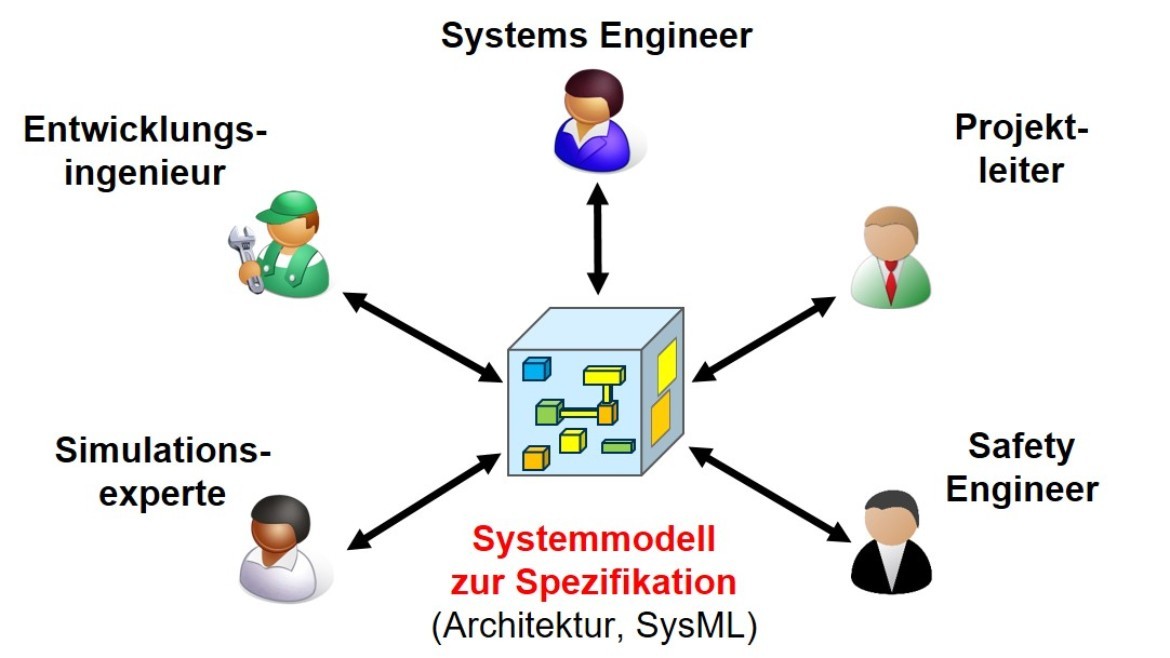
To create the system model, we use:
- the SysML (Systems Modelling Language) modelling language
- a proprietary modelling methodology based on the RFLP approach and already successfully applied in industry
- SysML modelling tools (PTC Windchill Modeler, Cameo Systems Modeler, Enterprise Architect)
The system model then becomes the single source of truth for the stakeholders involved in system development and replaces the previous textual documentation.
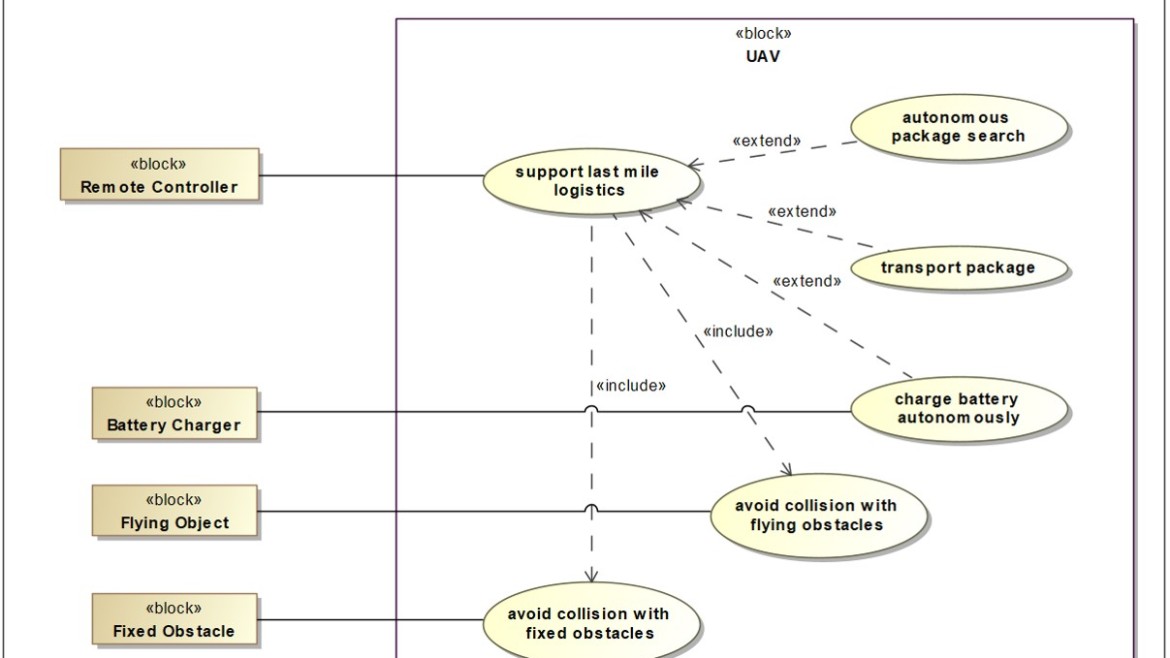
The advantages of our approach include, amongst others:
- improved communication within the development project
- improved quality of the specification
- Data traceability
Through the Systems Engineering Experience Centre, we focus on the following areas:
- Teaching – Prof. Dr. C. Zuccaro teaches these modelling methods in his lectures.
- Research – Our methods, toolchains and demonstrators are used in research.
- Transfers – A wide range of opportunities for collaboration ensures that research findings are transferred to the business sector.
Companies are invited not only to view the solutions developed at ECSE, but also to try them out, thereby ensuring that the methods developed are relevant to practical applications.
Find out more about the ECSE in this video
Laboratory equipment
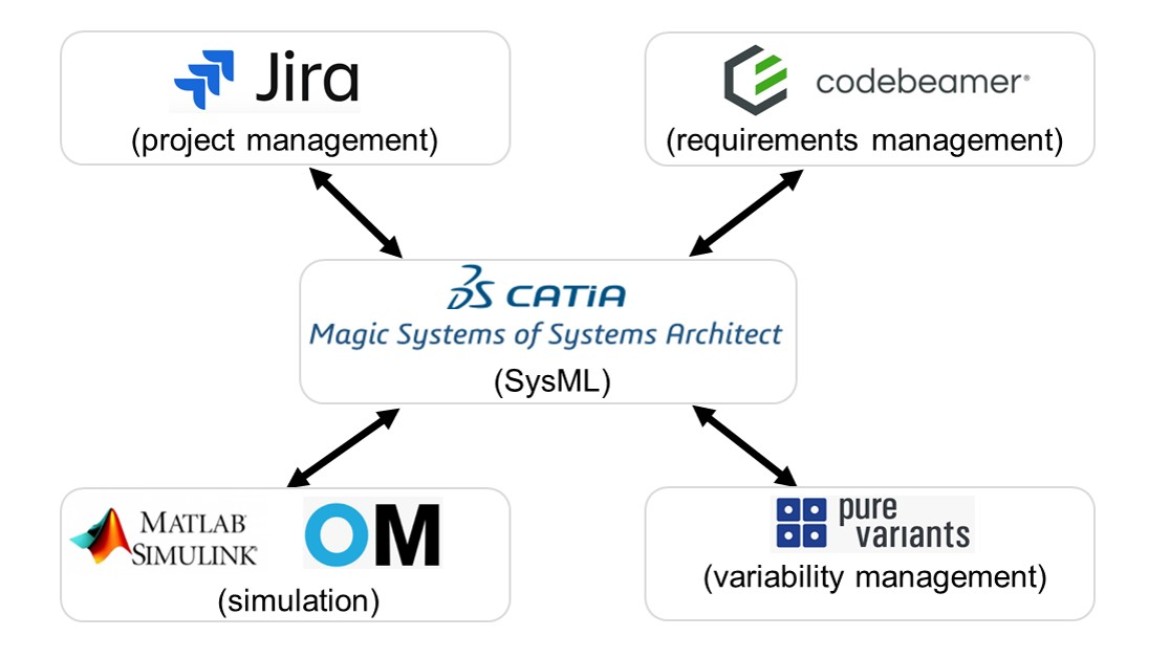
In industrial systems development, the system model is usually one of several models, each with a different focus (CAD models, simulation models, project management models, etc.). To ensure the consistency of system data, the various models must be linked using appropriate ontologies and technologies such as OSLC (Open Services for Lifecycle Collaboration) or IoT (Internet of Things) technologies.
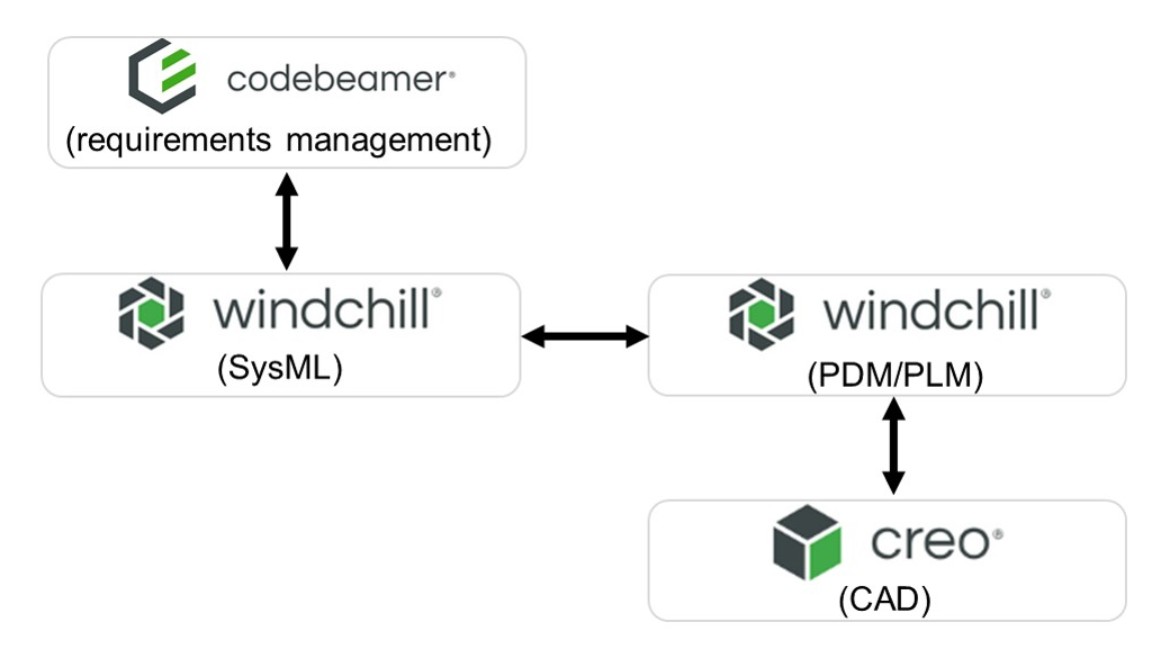
To demonstrate a seamless network of models (known as the ‘digital thread’), we at ECSE have developed unique toolchains, which we are constantly expanding. Two examples of such toolchains are shown here.
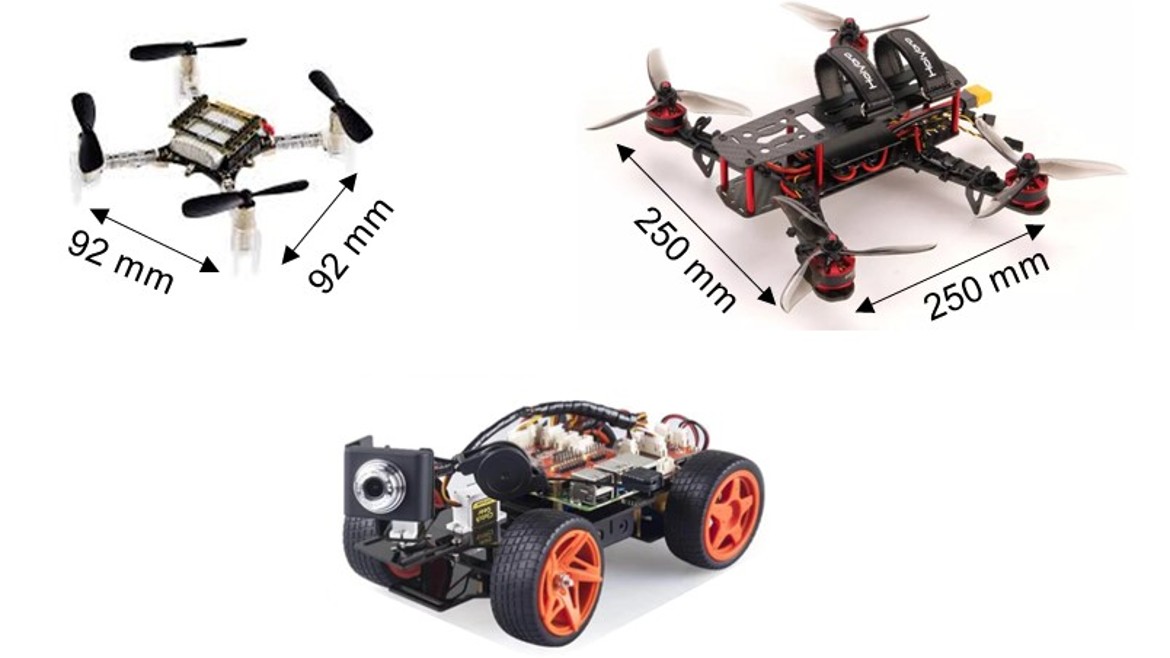
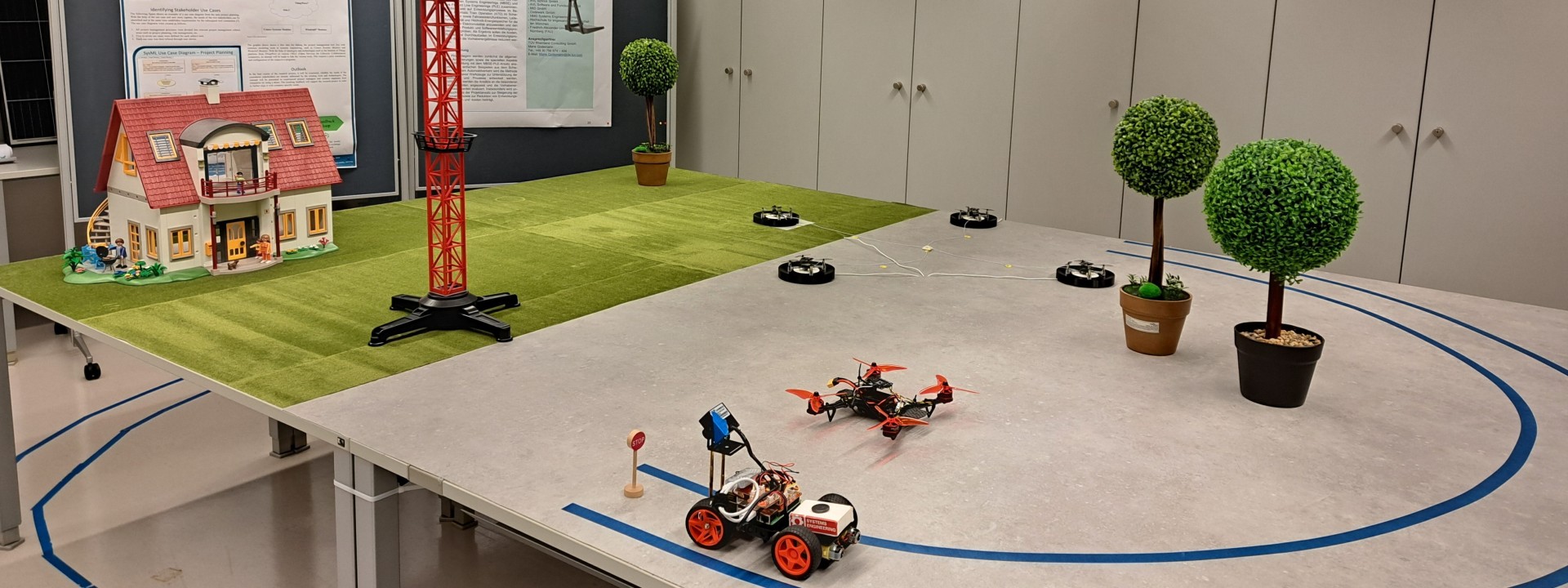
We validate our system modelling methods by developing demonstrators such as a swarm of drones and autonomous vehicles.
Laboratory projects
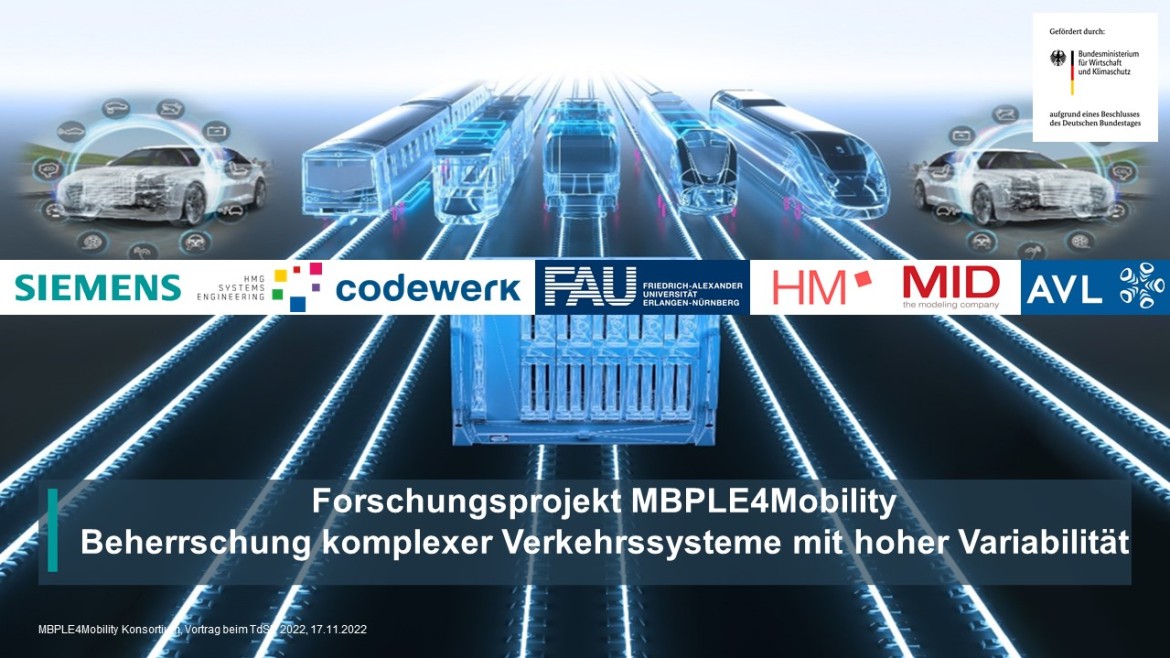
We are currently working on, for example, the MBPLE4Mobility research project, which is funded by the BMWK, in collaboration with a number of project partners (Siemens Mobility, AVL, FAU, MID, …):
Find out more about the project
We also undertake research projects as part of Master’s theses or student projects focusing on the application of the system model, for example for
- the requirements analysis
- the architectural design
- the development of simulation models
- the development of digital twins, e.g. for early system validation
- variability management
- agile development
- ...
Management
Room
E203 (in Building E)
Collaboration
e.g. as a Student Assistant or as part of a final assignment