Mechatronics
What is the role of the Mechatronics Laboratory?
In the Mechatronics Laboratory, you will learn about the fundamental technologies in the fields of automation engineering, robotics, PLC programming and mechatronics. Through numerous practically-oriented laboratory experiments, students develop the ability to solve problems in the fields of automation engineering, robotics and mechatronics. Furthermore, the Mechatronics Laboratory offers excellent facilities for carrying out projects, final assignments or workshops.
Laboratory facilities?
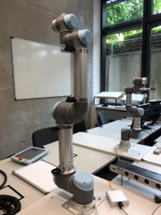
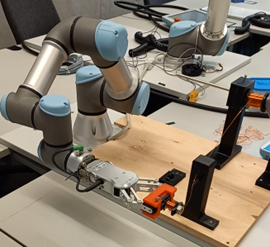
- 4 Universal Robots of the URe3 type with various end-effectors
- Programmable logic controllers, including those from Beckhoff and Siemens, with various expansion cards
- APROL process control system from BuR
- Various sensor and automation system set-ups
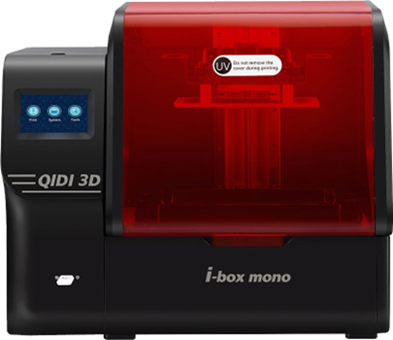
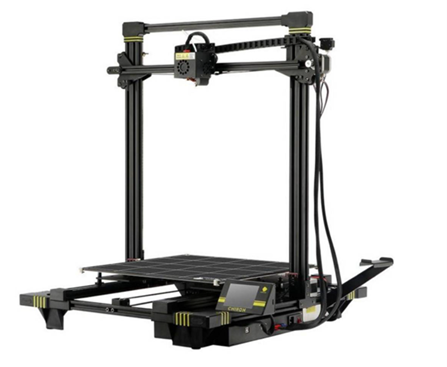
CNC milling machine, laser cutter, 3D printer
- Codesys
- TwinCAT
- Siemens TIA Portal
- Siemens Simit
- Autodesk Inventor
- Eagle
- APROL
- UR Sim
Projects and internships in the lab?
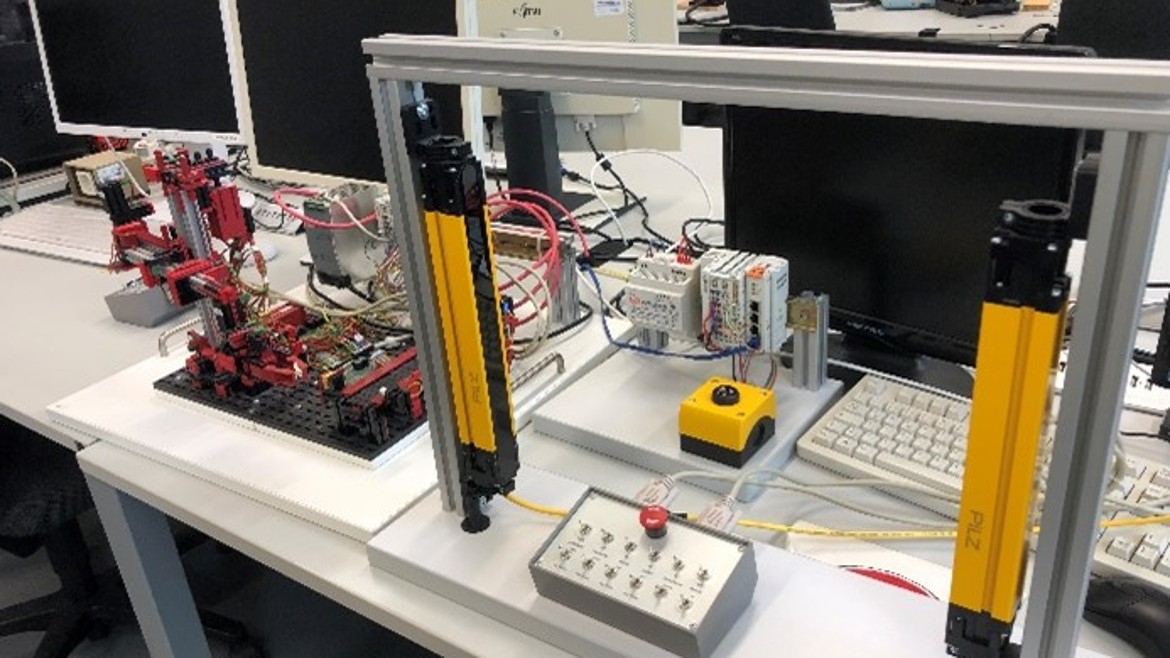
In the laboratory internship accompanying the ‘Industrial Control Systems’ lecture, students work in teams to implement a simple robot control system and an automated production process. This internship is designed to teach PLC programming and thus provide practical application of the material covered in the lecture. TwinCAT 3 and CODESYS are used as the software for this purpose.
The internship is also extended to include the safety components of a Sick laser scanner and an emergency stop. Here, students learn about these standard safety components and the necessary programming of safety-related applications.
During the sensor experiment, students learn about the behaviour and specific characteristics of various sensors (e.g. proximity switches, ultrasonic sensors, optical sensors) and are able to test them.
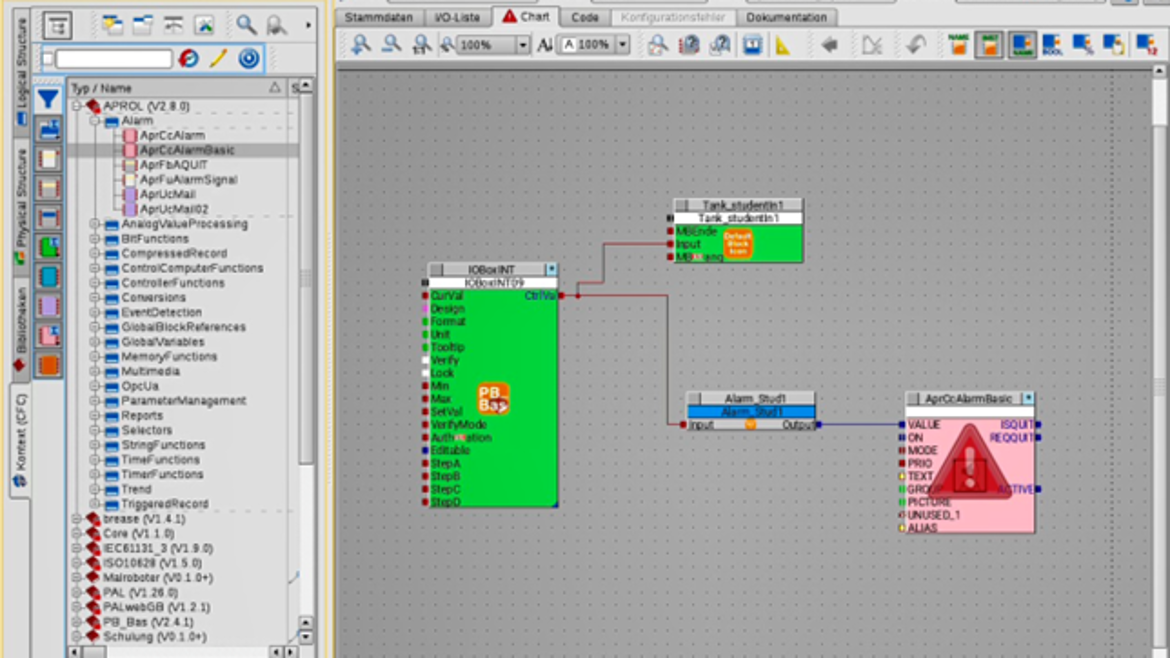
Students work with the APROL process control system from BuR and programme various monitoring functions. It is also possible to connect various laboratory components, such as the UR robots or programmable logic controllers, to the process control system.
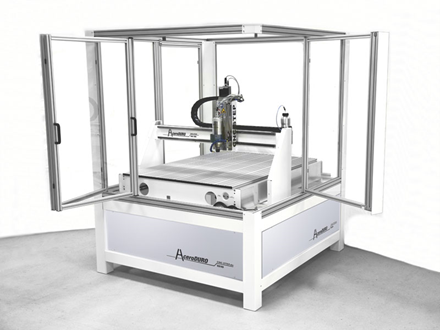
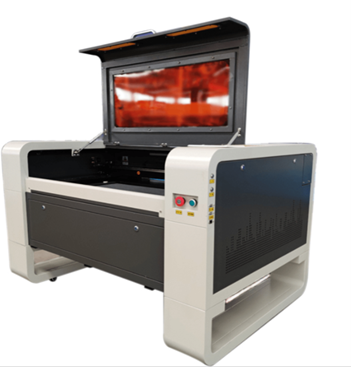
Using Autodesk Inventor software, students can design prototype components, carry out simulations and explore parameter variations, generate manufacturing programmes and then produce the designed components using a wide range of manufacturing technologies, such as 3D printing, CNC milling or laser cutting. To this end, students have access to a 3-axis CNC milling machine, a high-speed laser cutter and various 3D printing technologies.
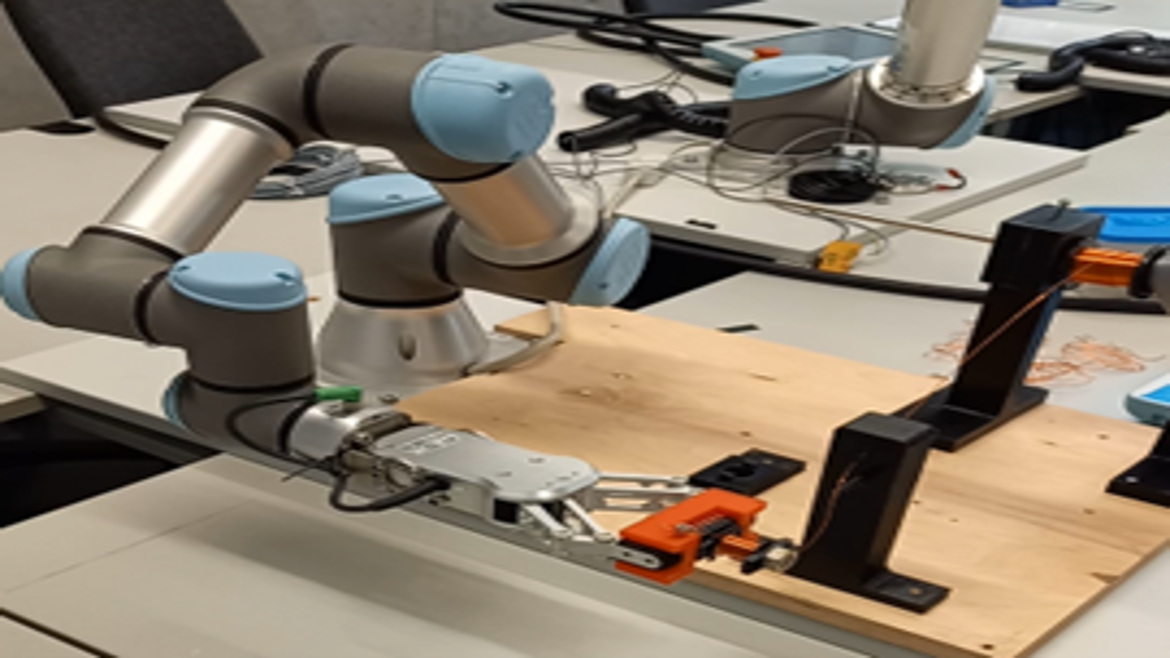
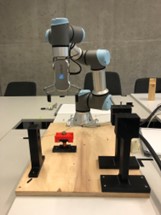
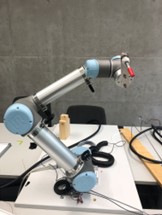
The laboratory is equipped with four Universal Robots of the UR3e model. This is an ultra-lightweight, compact, collaborative desktop robot. All its joints can rotate through 360 degrees and its wrist can rotate without restriction. This makes it possible to carry out high-precision assembly and screw-fastening tasks. The UR robots are used, for example, in an internship designed to teach the basics of robotics and to provide an understanding of a wide variety of robot programming methods. They are also used to implement various example applications, such as palletising, setting up a demonstration production line with PLC communication and connection to a process control system, or camera-guided robot movements. Students can also learn about the use of safety technology with a Sick laser scanner.
In the Automation Technology project, students carry out a real-world project in small groups. The skills they learn and develop range from electronics and control engineering – such as the use of programmable logic controllers and Arduinos – to mechanics, which involves CAD design, assembly and the manufacture of components. Many projects also provide insights into robotics and the integration of the necessary actuators and sensors. In addition to the technical implementation of the respective project, students are required to demonstrate social skills within a team and project management abilities in order to successfully complete the project.
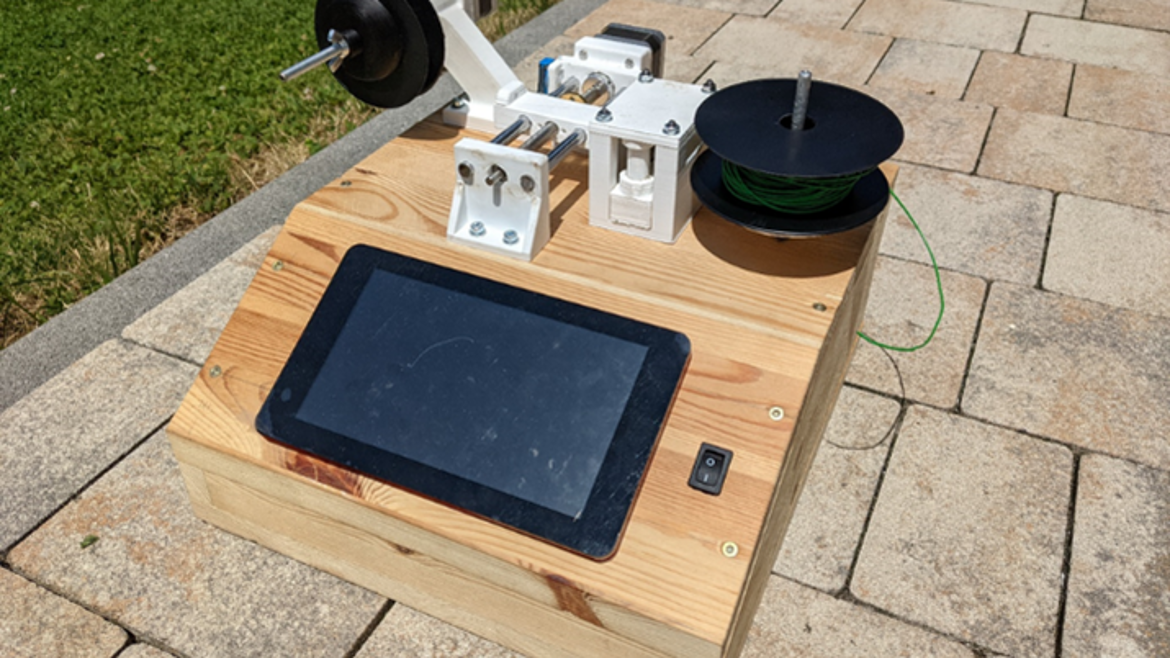
Examples of student projects:
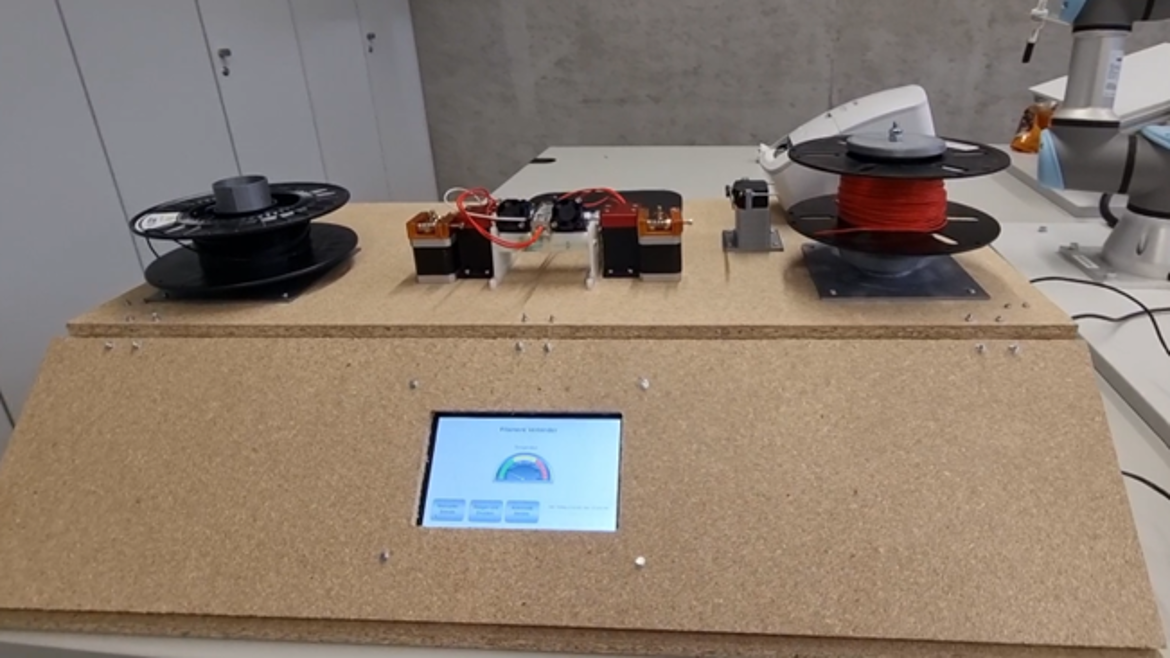
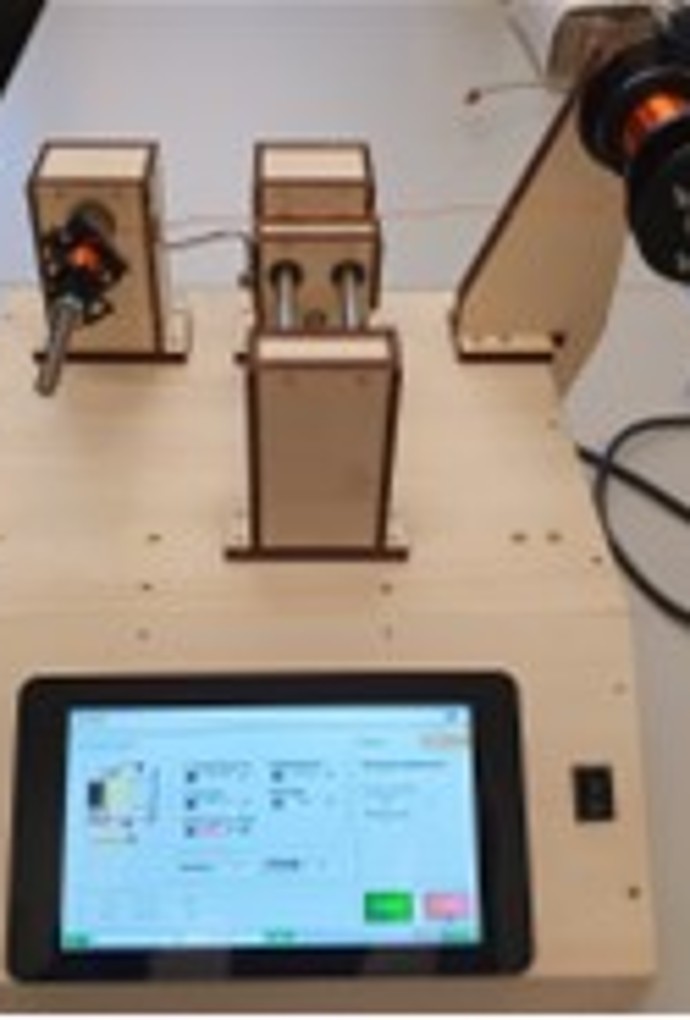
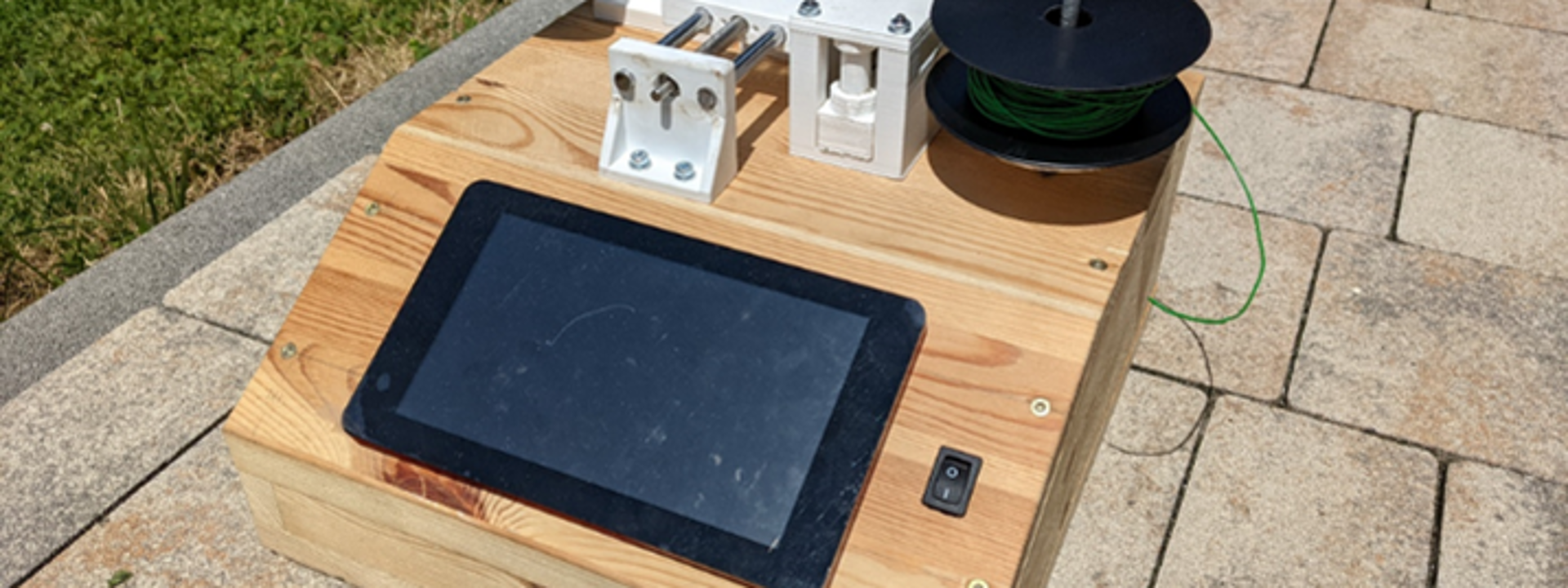
Examples of applications for an automatic coil winder:
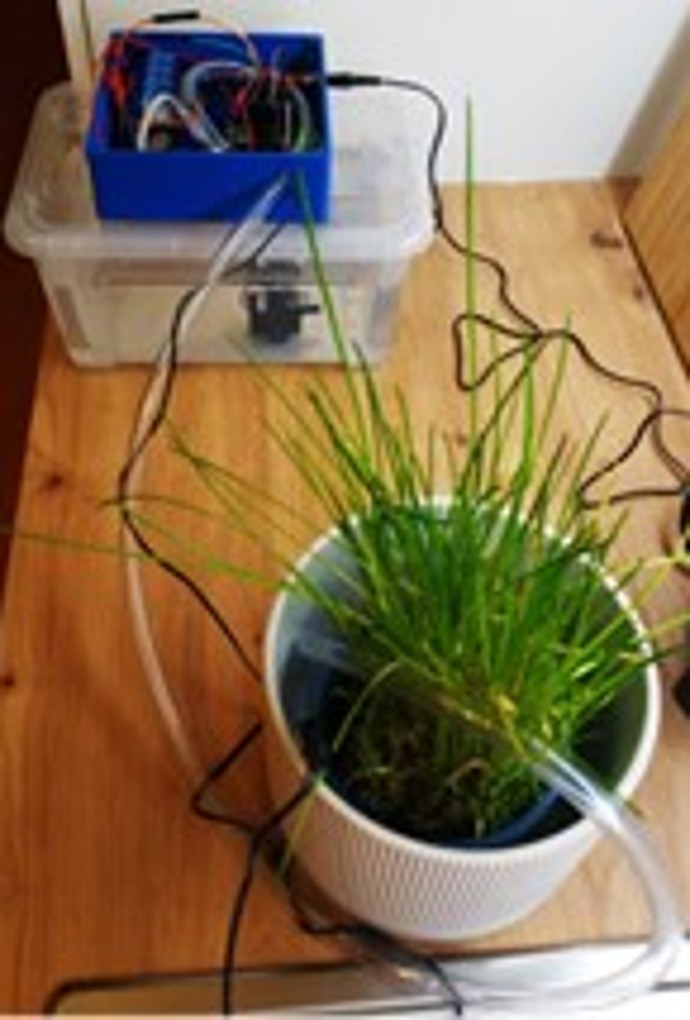
Automatic plant watering:
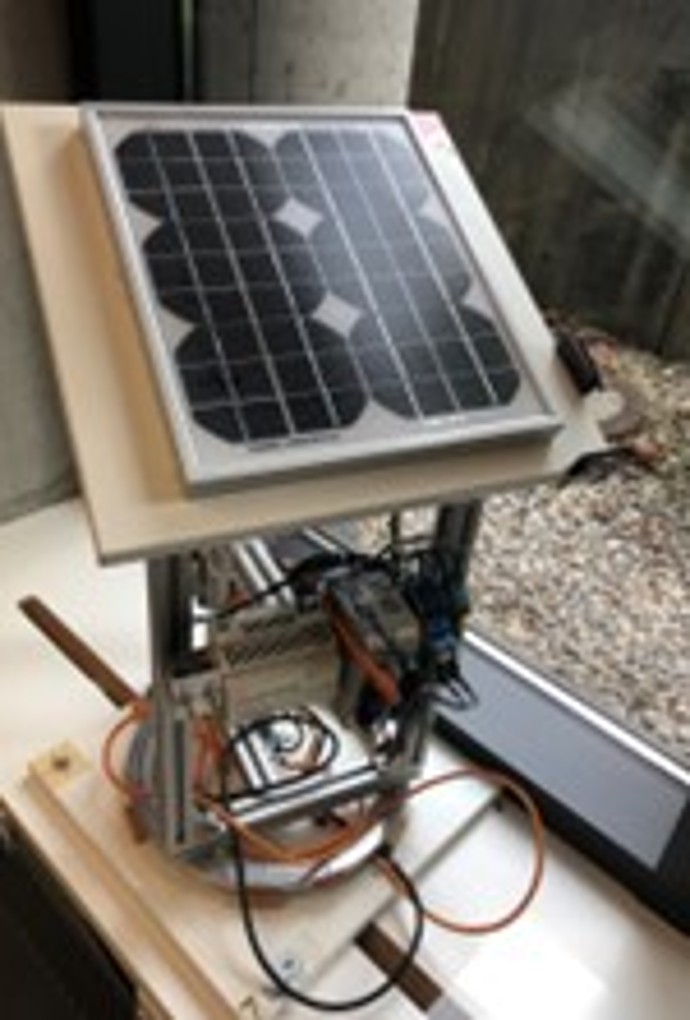
Solar tracker:
The solar tracker developed as part of a project is a solar module that can be aligned with the sun’s position to deliver optimum performance. The module is controlled by a programmable logic controller.
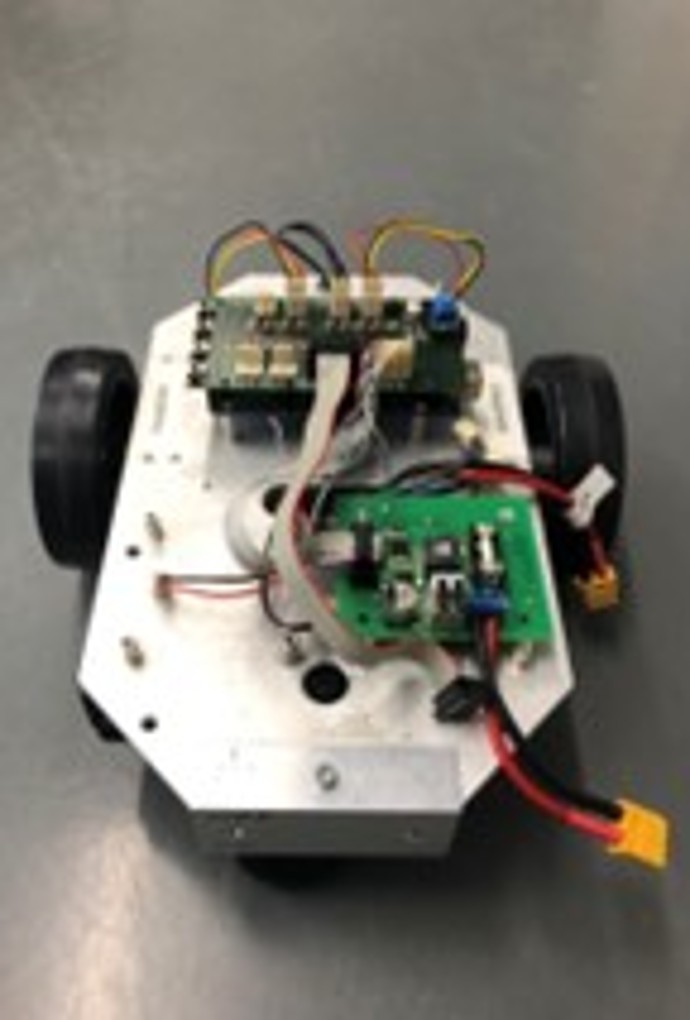
EcoRob:
One project carried out in the laboratory was the design and construction of a mobile robot. To bring this to fruition, the students were responsible for the electronic implementation, control, and the integration and analysis of the sensor systems.
CNC milling machine and laser cutter
Selection of available 3D printers
UR Robots
events
Girls’ Day and events for school pupils
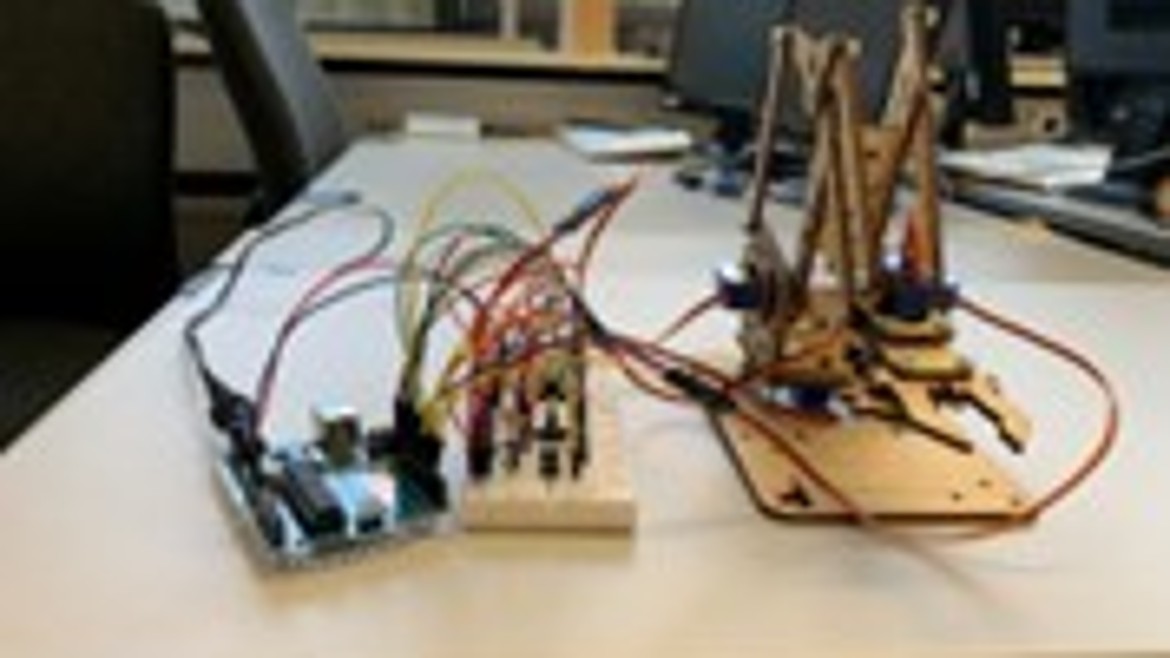
Events for school pupils are held regularly in the laboratory, where they are introduced to topics relating to automation and robotics. Using a wooden robot they have built themselves as an example, the pupils gain an insight into programming, sensor technology, actuator technology and control systems.
Excursions
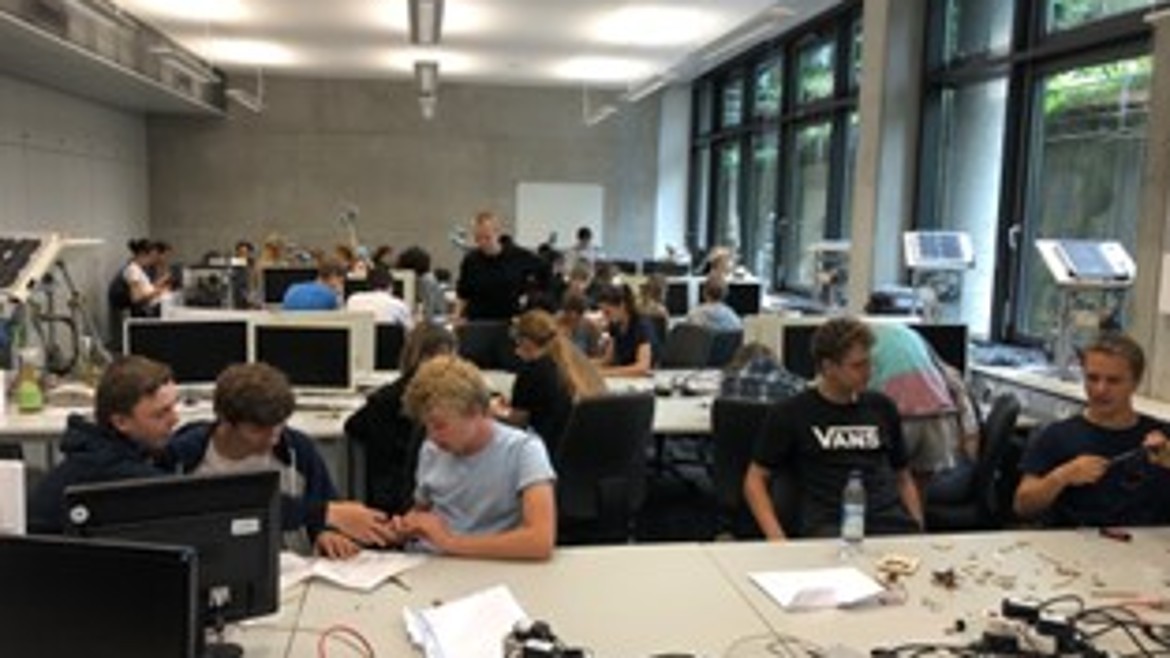
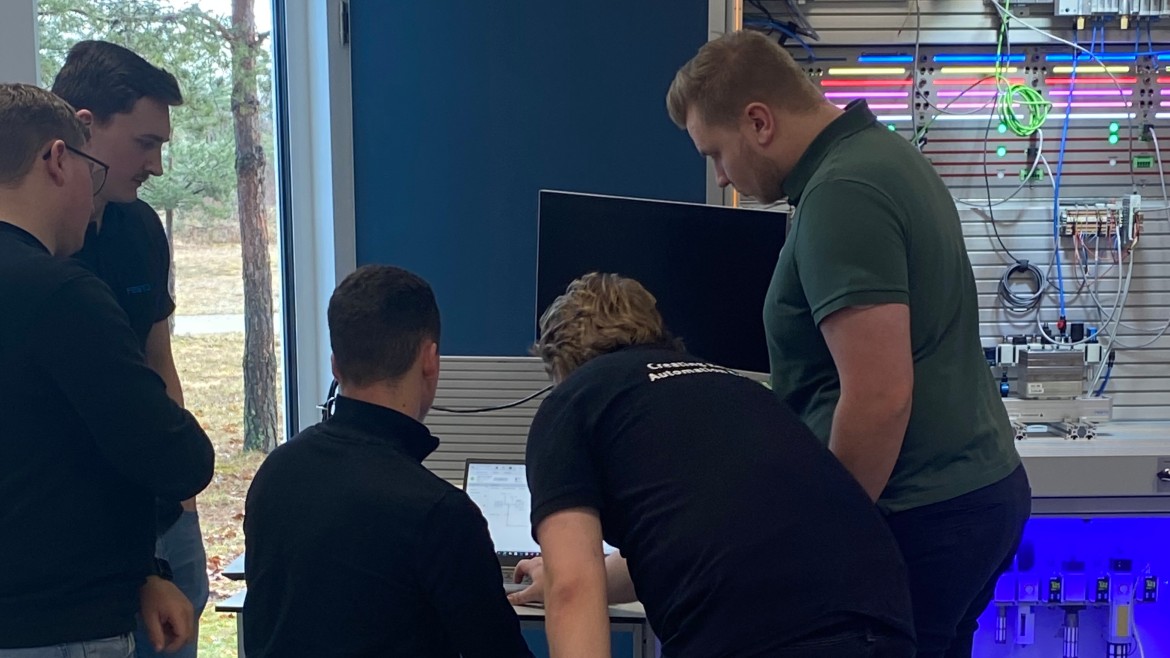
Students regularly go on field trips to trade fairs such as SPS in Nuremberg or Automatica in Munich. In addition, there are also field trips and topical specialist talks organised by companies.
Where is the laboratory located?
You’ll find the laboratory in RGB 0.009; please feel free to pop in after making an appointment.
Any questions?
If you have any questions or enquiries regarding available topics for final assignments or opportunities to work as a Student Assistant, please do not hesitate to contact
Prof. Dr. Claudia Ehinger
Available topics for final assignments:
- Optimising solar tracking to increase the output of solar cells
- Developing a process simulation for a production process
- The use of ChatGPT in PLC programming
- Control of a linear axis to follow motion profiles
- Other topics on request